
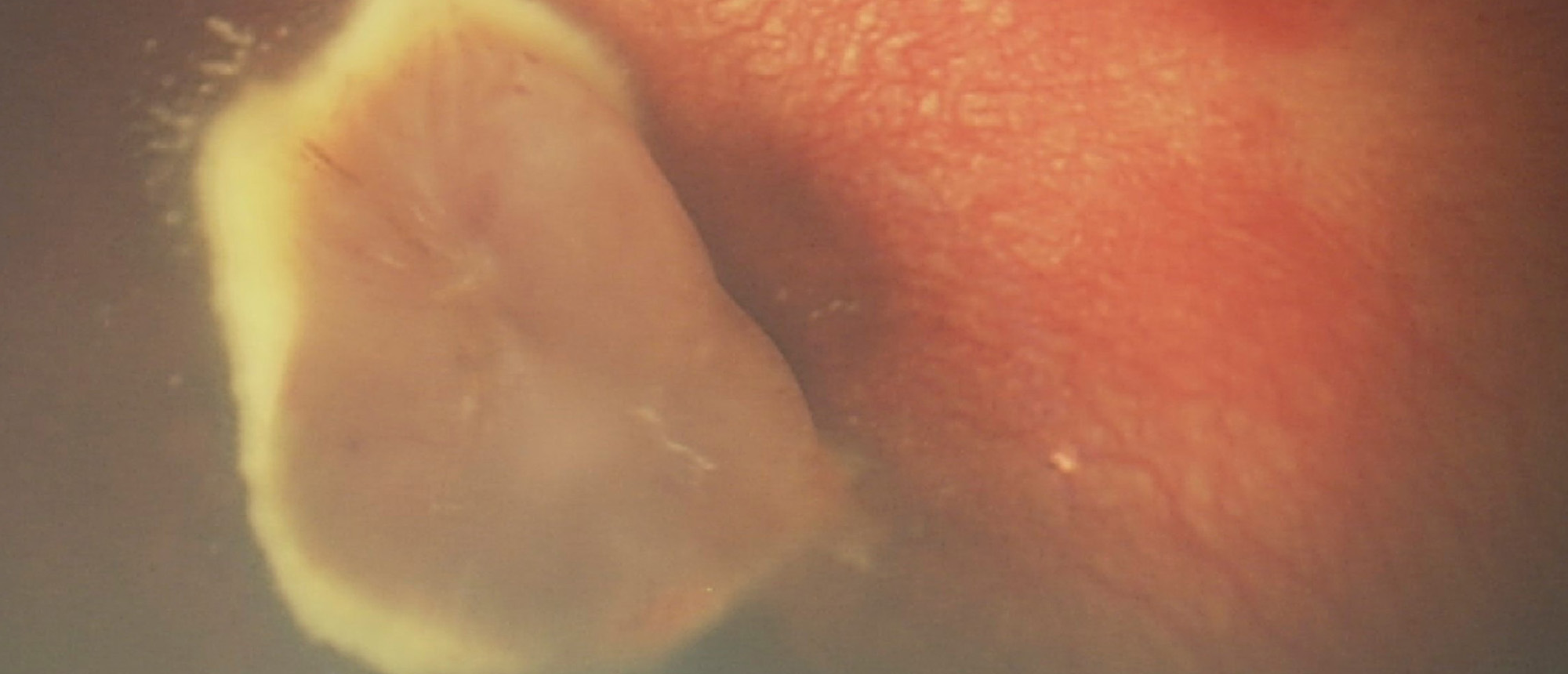
Coats Plus Syndrome
An infant born prematurely via emergency cesarean section at 27 weeks gestation, due to intrauterine growth restriction (IUGR) and fetal distress, weighing 650 g, was referred for evaluation of incomplete retinal vascularization. The infant spent 117 days in the neonatal intensive care unit (NICU), requiring oxygen support, and experienced several complications, including neonatal sepsis, intraventricular hemorrhage, tonic-clonic seizures, respiratory distress syndrome, bronchopulmonary dysplasia, and pancytopenia, osteopenia, recurrent seizures, feeding via gastrostomy tube, periventricular leukomalacia, and a patent foramen ovale. Ophthalmological examination revealed bilateral incomplete peripheral retinal vascularization, with blood vessels extending into zone 1, along with bilateral vitreous hemorrhage. The patient received laser photocoagulation treatment to the avascular peripheral retina in both eyes, as well as bilateral intravitreal bevacizumab injections. However, the treatment response was suboptimal, requiring additional intravitreal injections and pan-retinal photocoagulation (PRP). Further investigation revealed that the infant’s older brother, was recently diagnosed with Coats plus syndrome after developing a left upper extremity tremor and showing abnormal neuroimaging findings. Genetic testing confirmed the same mutation in the CTC1 gene in the infant, confirming the diagnosis of Coats plus syndrome. This case emphasizes the need to consider Coats plus syndrome in the differential diagnosis and highlights the importance of neuroimaging and genetic testing in the accurate diagnosis and management of patients with retinal and systemic abnormalities that cannot be solely explained by prematurity.
Presentation Date: 02/20/2025
Issue Date: 04/03/2026
Please log in or click on ENROLL ME to access this course.
