
Bascom Palmer
  • Calendar
  • SPECIALTIES
    Cataracts and Intraocular Lenses Comprehensive Ophthalmology Corneal and External Diseases Glaucoma Neuro-Ophthalmology Ocular Oncology Ophthalmic Pathology Ophthalmic Plastic and Reconstructive Surgery Pediatric Ophthalmology and Strabismus Retina and Vitreous Diseases Uveitis
  • FILTER BY
    Online Grand Rounds Medical Student Education Ophthalmic Images Other Lectures Surgical Videos
  • SEARCH
  • More
Site-wide search Close
Toggle search input
guest access
Log in
Bascom Palmer
Calendar SPECIALTIES Collapse Expand
Cataracts and Intraocular Lenses Comprehensive Ophthalmology Corneal and External Diseases Glaucoma Neuro-Ophthalmology Ocular Oncology Ophthalmic Pathology Ophthalmic Plastic and Reconstructive Surgery Pediatric Ophthalmology and Strabismus Retina and Vitreous Diseases Uveitis
FILTER BY Collapse Expand
Online Grand Rounds Medical Student Education Ophthalmic Images Other Lectures Surgical Videos
SEARCH
Expand all Collapse all
  1. Dashboard
  2. PS031825OI
  3. Ophthalmic Image(s)
  4. Peripapillary Subretinal Placoid Chorioretinopathy

Peripapillary Subretinal Placoid Chorioretinopathy

Completion requirements

Description

Acute syphilitic posterior placoid chorioretinopathy (ASPPC) is a unique ocular sign of syphilis. It appears as a large, flat, yellowish lesion on the retinal pigment epithelium, typically in the macula. While not seen in every syphilis case, its presence strongly suggests ocular involvement and warrants confirmatory serologic testing.

Uploaded on: 03/18/2025
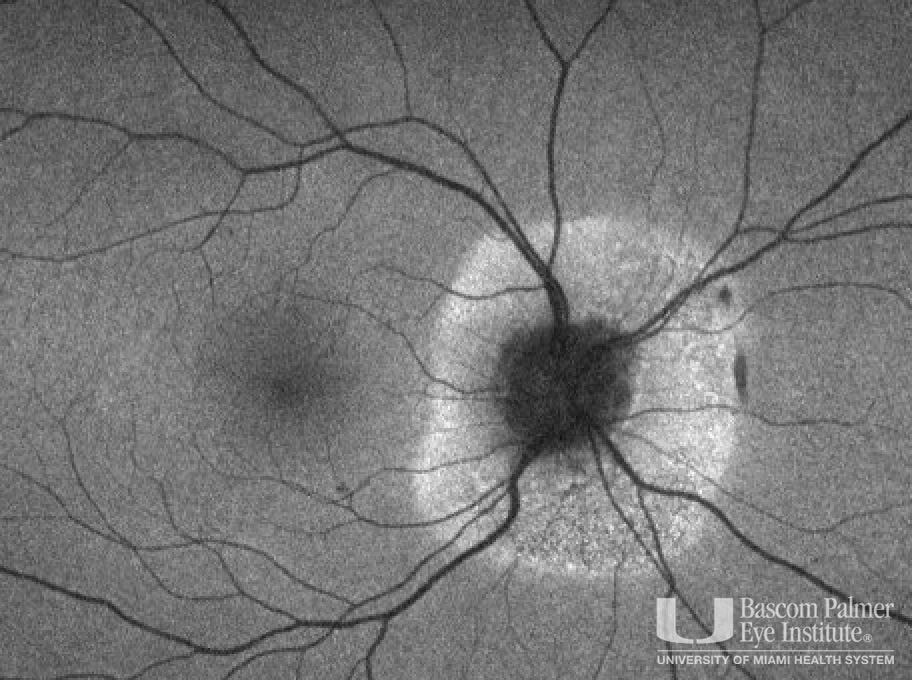

Peripapillary subretinal placoid chorioretinopathy


◄ Contributor: Pablo Ravenna, MD
guest access (Log in)
Data retention summary
Powered by Moodle
 
  • Medical Disclaimer
  • |
  • Terms of Use
  • |
  • Privacy Statement
  • |
  • HIPAA Notice of Privacy Practices
  • |
  • About Us
  • |
  • FAQs

© 2026 University of Miami Health Systems. All Rights Reserved.
